The kitchen has become much more than a place to prepare meals. It is where families gather, conversations begin, and daily routines unfold. With so much happening in one space, smart storage is no longer a luxury but a necessity.
A thoughtfully planned kitchen wardrobe helps keep everything organised while creating a clean and welcoming environment. From spacious family kitchens to compact city apartments, the right kitchen wardrobe design can improve functionality without compromising on style. Whether you are planning a renovation or starting from scratch, understanding the different layouts, materials, and storage solutions will help you create a kitchen that works beautifully every day.
Why Kitchen Wardrobe Design Matters?
Good storage is the foundation of a practical kitchen. While colours and finishes often catch the eye, it is the layout and organisation behind the cabinets that determine how comfortable the space feels to use. A well-planned storage system makes cooking easier, keeps clutter under control, and ensures everything has its place.
More Storage, Less Clutter
A busy kitchen quickly becomes difficult to manage when everyday essentials are scattered across worktops. Thoughtfully designed cabinets create designated spaces for cookware, groceries, crockery, and appliances, helping the room stay organised throughout the day.
Making better use of wall space, deep drawers, and pantry units also frees up valuable work surfaces. The result is a kitchen that feels spacious, tidy, and far easier to maintain.
Better Organisation for Everyday Living
An organised kitchen saves more than just space; it saves time. Keeping frequently used items close to cooking zones reduces unnecessary movement and makes meal preparation far more efficient.
Simple additions such as drawer dividers, pull-out baskets, and adjustable shelving can transform how the space functions. Even small changes make daily routines smoother while reducing visual clutter.
A Balance Between Style and Function
Beautiful interiors should also be practical. Modern cabinetry is designed to complement the overall look of the home while offering durable storage that stands up to everyday use.
Whether your interiors lean towards classic wood finishes or contemporary minimalism, the right storage solution can blend seamlessly with your décor while remaining highly functional.
A Long-Term Investment
Quality cabinetry is one of the most valuable additions you can make to a home. Durable materials, thoughtful planning, and timeless finishes continue to perform well for years while adding lasting appeal.
A carefully designed kitchen wardrobe design not only enhances daily living but can also increase the overall value of your property.
Popular Kitchen Wardrobe Designs
Every household has different storage requirements, which is why there is no single solution that suits every kitchen. The ideal layout depends on the available space, cooking habits, and the overall style of your home. Here are some of the most popular options to consider.
Floor-to-Ceiling Storage
Extending cabinetry from floor to ceiling is one of the most effective ways to maximise storage. Upper cabinets can be used for seasonal appliances, serving dishes, or items that are not needed every day, while lower sections remain easily accessible for everyday essentials.
Besides increasing storage, this approach creates a seamless and elegant look that makes the room appear taller and more refined.
Open Shelving
Open shelves have become increasingly popular in modern kitchens. They offer quick access to frequently used items while allowing homeowners to display attractive crockery, glassware, or decorative accessories.
To keep the look organised, it is best to limit displays to a few carefully chosen pieces and avoid overcrowding the shelves.
Closed Cabinets
Closed cabinetry remains a timeless choice because it keeps everyday essentials hidden from view while protecting them from dust and cooking residue.
Available in a wide range of finishes and colours, these cabinets suit almost every interior style and offer excellent flexibility when planning storage.
Glass Front Cabinets
Glass doors add depth and visual interest without making the room feel heavy. Frosted, fluted, or clear panels can be used to showcase elegant dinnerware while maintaining a clean and sophisticated appearance.
Combining solid cabinets with glass-front sections creates a balanced design that feels both practical and decorative.
Corner Storage Solutions
Corners are often the most underutilised areas in a kitchen, yet they can provide valuable storage when planned correctly. Modern corner units include rotating shelves, pull-out trays, and clever organisers that make even awkward spaces easy to access.
Making full use of these areas helps improve storage without increasing the overall footprint of the room.
Pantry Cabinets
A dedicated pantry cabinet keeps dry groceries, snacks, spices, and cooking essentials neatly organised in one place. Adjustable shelves make it easy to accommodate items of different sizes while ensuring everything remains visible.
Tall pantry units are particularly useful for growing families who require additional storage without sacrificing valuable workspace.
Small Kitchen Wardrobe Design Ideas
Designing a compact kitchen is all about making smart use of the available space. Instead of trying to fit in more cabinets, the focus should be on choosing storage solutions that improve accessibility while keeping the room feeling open and comfortable. A well-planned small kitchen wardrobe design can achieve both.
Make Use of Vertical Space
Walls often provide untapped storage opportunities. Installing taller cabinets or extending existing ones towards the ceiling creates additional room without taking up extra floor space.
Items used less frequently can be stored on higher shelves, while everyday essentials remain within easy reach.
Add Pull-Out Storage
Pull-out drawers and slim storage units make it easier to organise narrow spaces that would otherwise be difficult to use.
These features work particularly well beside the hob or refrigerator, providing convenient storage for spices, bottles, trays, or cleaning products while keeping everything neatly arranged.
Turn Corners into Functional Storage
Corner cabinets no longer need to be awkward or inaccessible. Modern rotating shelves and pull-out corner organisers allow you to use every inch efficiently while keeping stored items within easy reach.
These solutions are especially valuable in compact kitchens where every bit of storage matters.
Choose Multi-Purpose Cabinets
Today’s storage solutions do much more than hold utensils. Many cabinets now include integrated waste bins, hidden appliance garages, built-in organisers, and adjustable shelving that adapt to changing household needs.
Selecting furniture with multiple functions helps reduce clutter while making better use of limited space.
Keep the Design Light
A compact kitchen benefits from clean lines, simple cabinetry, and lighter colour palettes. Neutral shades reflect more light, helping the room appear brighter and more spacious.
Pairing minimalist finishes with subtle hardware creates a timeless look that remains stylish for years.
Reduce Visual Clutter
An uncluttered kitchen almost always feels larger than it actually is. Storing small appliances behind cabinet doors, keeping worktops clear, and using consistent finishes throughout the room creates a calm and cohesive appearance.
With careful planning, even a modest layout can feel surprisingly open and comfortable.
Modular Kitchen Wardrobe Design Options
Modern homeowners want kitchens that are efficient, easy to maintain, and tailored to their lifestyle. That’s where a modular kitchen wardrobe design stands out. Built using pre-manufactured units, modular cabinetry offers flexibility, cleaner finishes, and better space utilisation than many traditional storage solutions.
Whether you’re working with a compact apartment or a spacious villa, there’s a layout that can be customised to suit your needs.
L-Shaped Layout
An L-shaped kitchen is one of the most versatile layouts for modern homes. It uses two adjoining walls, leaving the centre open for easy movement while creating an efficient work triangle between the sink, hob, and refrigerator.
This layout works equally well in open-plan homes and smaller spaces, offering generous storage without making the room feel crowded.
U-Shaped Layout
For households that cook frequently or require additional storage, a U-shaped layout offers maximum functionality. Cabinets run along three walls, providing plenty of workspace and keeping everything within comfortable reach.
With dedicated areas for food preparation, cooking, and cleaning, this layout supports a smooth and organised workflow.
Parallel Kitchen
Also known as a galley kitchen, this layout features two rows of cabinets facing each other. One side can be dedicated to cooking while the other accommodates preparation, storage, or washing.
Its efficient use of space makes it particularly popular in urban apartments where every square foot matters.
Straight Kitchen
Simple yet effective, the straight layout places all cabinets and appliances along a single wall. It is ideal for studio apartments, compact homes, or open-plan living spaces where maintaining an uncluttered appearance is important.
Thoughtful planning ensures that storage remains practical without overwhelming the room.
Island Kitchen
If space allows, a kitchen island can become the centrepiece of the room. It provides additional preparation space, extra storage, casual seating, and even room for built-in appliances.
Beyond functionality, an island creates a natural gathering point, making the kitchen feel more connected to the rest of the home.
Which Material Should You Choose?
The appearance of your cabinets is important, but the material beneath the finish has an even greater impact on durability and maintenance. The right choice depends on your budget, cooking habits, and the amount of moisture your kitchen is exposed to.
Plywood
Plywood continues to be one of the most trusted materials for kitchen cabinetry. It is strong, durable, and performs well in environments where humidity levels fluctuate.
Its ability to support heavy shelves and frequent use makes it a popular choice for long-term projects.
HDHMR Boards
High-Density High Moisture Resistant (HDHMR) boards are gaining popularity because they offer excellent strength while resisting moisture more effectively than standard engineered wood.
They provide a smooth surface for premium finishes and are well suited to busy family kitchens.
MDF
Medium Density Fibreboard, commonly known as MDF, is valued for its smooth surface and affordability. It works particularly well for painted shutters and decorative designs.
While suitable for many applications, it is generally best used in areas with lower moisture exposure.
Marine Plywood
Homes located in humid climates often benefit from marine plywood. Designed to withstand moisture more effectively, it offers excellent durability for kitchens where water exposure is common.
Although it comes at a higher price point, it provides long-term reliability.
Laminate Finish
Laminate remains one of the most practical finishes for modern kitchens. Available in countless colours, textures, and patterns, it is easy to maintain and resistant to everyday scratches.
It is an excellent option for homeowners looking for a balance between style and affordability.
Acrylic Finish
Acrylic finishes create a smooth, glossy appearance that reflects light beautifully. They are particularly effective in contemporary interiors where bright, polished surfaces are preferred.
Besides their premium appearance, acrylic cabinets are relatively easy to clean and maintain.
Kitchen Wardrobe Colours That Work
Colour has a significant influence on how a kitchen feels. The right palette can make a compact room appear larger, create warmth in open spaces, or introduce a sense of sophistication without overwhelming the interior.
Choosing timeless shades also ensures your kitchen continues to look stylish for years.
White with Natural Wood
This combination remains one of the most popular choices for modern homes. White creates a bright and airy atmosphere, while natural wood introduces warmth and texture.
Together, they achieve a balanced look that suits both contemporary and classic interiors.
Grey and White
Soft grey paired with crisp white creates a refined and understated aesthetic. It works particularly well in homes that favour minimalist design while adding depth without making the room feel dark.
Black and Beige
For homeowners looking to make a bold statement, black cabinetry combined with warm beige tones creates striking contrast.
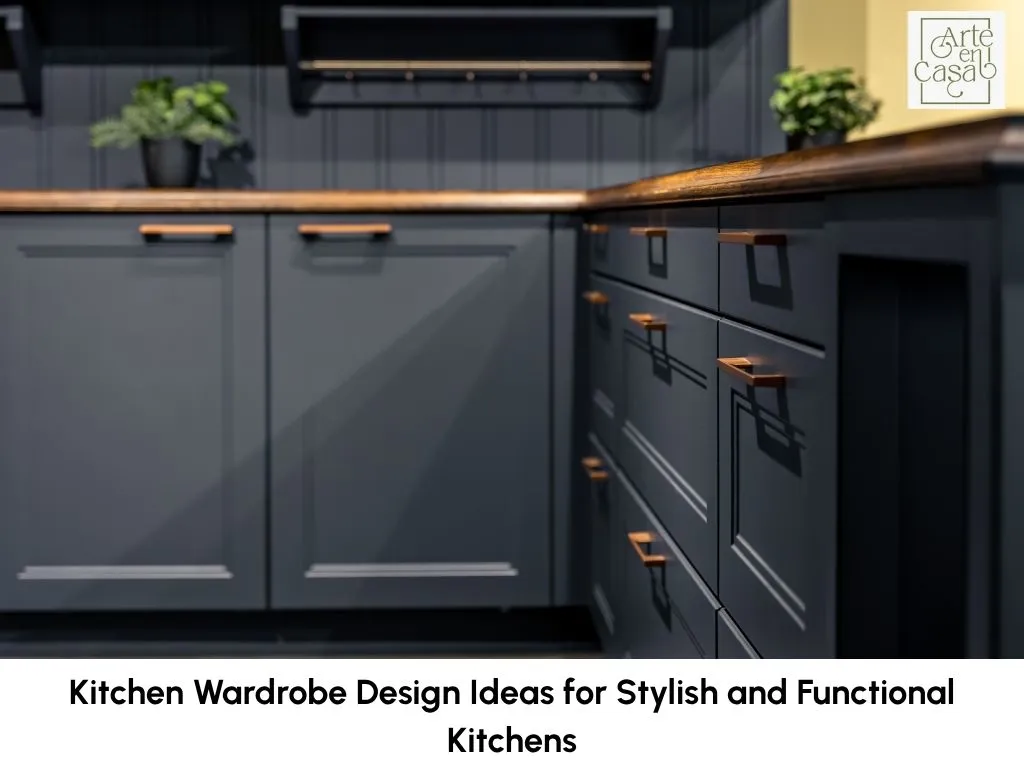
Using darker colours on lower cabinets while keeping upper sections lighter helps maintain visual balance.
Shades of Blue
Blue has become increasingly popular in modern kitchens because it introduces colour without dominating the space.
Deep navy creates an elegant appearance, while softer blues contribute to a calm and welcoming atmosphere.
Earthy Greens
Muted green tones pair beautifully with timber finishes and natural stone worktops. Inspired by nature, they bring freshness into the home while complementing a wide range of interior styles.
Matte Finishes
Matte surfaces continue to dominate contemporary interiors thanks to their understated elegance. They minimise fingerprints, soften reflections, and create a sophisticated finish that remains timeless.
How to Choose the Right Design?
Every household uses its kitchen differently. The best storage solution is one that reflects your lifestyle, available space, and long-term needs rather than simply following the latest trends.
Taking time to plan before installation can save both money and future frustration.
Start with Your Lifestyle
Think about how you use your kitchen every day. Families who cook regularly may benefit from larger pantry units and deeper drawers, while occasional cooks might prioritise clean worktops and streamlined storage.
Designing around daily habits ensures the space remains practical for years to come.
Assess Your Storage Needs
Before choosing cabinets, make a list of everything your kitchen needs to store. This includes cookware, crockery, groceries, appliances, and cleaning supplies.
Planning storage in advance helps prevent overcrowded cabinets later.
Match Your Home’s Style
Your kitchen should feel like a natural extension of the rest of your home. Consider colours, materials, and finishes that complement neighbouring rooms to create a cohesive interior.
A consistent design language always feels more refined than mixing too many different styles.
Set a Realistic Budget
Beautiful kitchens can be created at almost any price point with thoughtful planning. Decide where premium materials will make the biggest difference and where more cost-effective alternatives can achieve a similar result.
Balancing quality and budget leads to smarter long-term decisions.
Think About the Future
Storage requirements often change over time. Choosing flexible shelving, adjustable compartments, and adaptable layouts allows your kitchen to evolve alongside your family’s needs.
Planning ahead helps avoid expensive modifications later.
Common Mistakes to Avoid
Even the most beautiful kitchen can become frustrating to use if the planning isn’t right. Many homeowners focus on colours and finishes first, only to realise later that they don’t have enough storage or workspace. Avoiding a few common mistakes can help you create a kitchen that remains practical for years.
Prioritising Looks Over Function
A stylish kitchen should also support your daily routine. Choosing cabinets purely for their appearance without considering storage, accessibility, or workflow can make everyday tasks more difficult.
Before selecting finishes or decorative details, think about how you cook, what you need to store, and how you move around the space. A functional layout will always stand the test of time.
Not Planning Enough Storage
One of the biggest mistakes is underestimating future storage requirements. As households grow, so do the number of utensils, appliances, groceries, and cookware.
Including tall pantry units, deep drawers, and flexible shelving from the beginning reduces the need for costly upgrades later.
Ignoring Corner Spaces
Corners are often left unused because they seem difficult to access. However, with modern pull-out organisers, carousel shelves, and corner drawers, these spaces can become some of the most useful storage areas in the kitchen.
Making use of every available corner improves efficiency without increasing the overall size of the room.
Choosing Materials Without Considering Maintenance
Every material has different maintenance requirements. Glossy finishes may require more frequent cleaning, while certain engineered boards are better suited to dry areas than spaces with high moisture.
Selecting materials that match your lifestyle helps keep your kitchen looking its best with minimal effort.
Poor Lighting Choices
Lighting has a significant impact on both functionality and ambience. Relying only on ceiling lights can leave worktops in shadow, making food preparation less comfortable.
A combination of ambient, task, and under-cabinet lighting creates a brighter, more practical workspace.
Easy Tips to Maintain Your Kitchen Wardrobe
A well-maintained kitchen not only looks better but also lasts longer. Regular cleaning and simple maintenance habits help preserve the appearance of your cabinets while ensuring hardware continues to function smoothly.
Clean Surfaces Regularly
Wipe cabinet doors and handles with a soft cloth to remove grease, dust, and fingerprints before they build up. Using gentle cleaning products helps protect the finish while keeping surfaces fresh.
Keep Moisture Under Control
Water is one of the biggest causes of long-term cabinet damage. Dry spills quickly, avoid leaving wet cloths inside cabinets, and ensure the area beneath the sink remains well ventilated.
Taking these small precautions helps prevent swelling, staining, and unwanted odours.
Check Hinges and Drawer Runners
Cabinet doors and drawers are used countless times each day. Periodically checking hinges, runners, and handles allows you to tighten loose fittings before they become larger problems.
Routine maintenance keeps everything opening and closing smoothly.
Avoid Harsh Cleaning Products
Strong chemical cleaners can damage laminates, acrylic finishes, and painted surfaces over time. Mild cleaning solutions and soft microfibre cloths are usually all that’s needed to maintain a polished appearance.
Following the manufacturer’s care instructions will also help extend the life of your cabinetry.
Design Your Kitchen Wardrobe with Arte En Casa
A beautiful kitchen starts with thoughtful planning. At Arte En Casa, every project is designed around the way you live, cook, and use your space. Rather than offering one-size-fits-all solutions, the team creates storage that blends functionality with timeless design.
Tailored for Your Home
Every home is unique, and your storage should reflect that. Whether you’re looking for a small kitchen wardrobe design that maximises a compact apartment or a spacious modular kitchen wardrobe design for a family home, Arte En Casa develops solutions that suit your layout, lifestyle, and storage requirements.
Quality That Lasts
From premium materials and durable hardware to carefully selected finishes, every detail is chosen with longevity in mind. The result is cabinetry that not only looks elegant but also performs reliably through everyday use.
Complete Design Support
Designing a kitchen involves countless decisions, from layouts and materials to colours and storage features. Arte En Casa guides you through every stage of the journey, helping you create a kitchen wardrobe that complements your home while making daily life more organised and enjoyable.
Whether you prefer contemporary minimalism, timeless classics, or a completely bespoke interior, Arte En Casa transforms your ideas into a kitchen that’s designed to be lived in.
Common Mistakes to Avoid
Even the most beautiful kitchen can become frustrating to use if the planning isn’t right. Many homeowners focus on colours and finishes first, only to realise later that they don’t have enough storage or workspace. Avoiding a few common mistakes can help you create a kitchen that remains practical for years.
Prioritising Looks Over Function
A stylish kitchen should also support your daily routine. Choosing cabinets purely for their appearance without considering storage, accessibility, or workflow can make everyday tasks more difficult.
Before selecting finishes or decorative details, think about how you cook, what you need to store, and how you move around the space. A functional layout will always stand the test of time.
Not Planning Enough Storage
One of the biggest mistakes is underestimating future storage requirements. As households grow, so do the number of utensils, appliances, groceries, and cookware.
Including tall pantry units, deep drawers, and flexible shelving from the beginning reduces the need for costly upgrades later.
Ignoring Corner Spaces
Corners are often left unused because they seem difficult to access. However, with modern pull-out organisers, carousel shelves, and corner drawers, these spaces can become some of the most useful storage areas in the kitchen.
Making use of every available corner improves efficiency without increasing the overall size of the room.
Choosing Materials Without Considering Maintenance
Every material has different maintenance requirements. Glossy finishes may require more frequent cleaning, while certain engineered boards are better suited to dry areas than spaces with high moisture.
Selecting materials that match your lifestyle helps keep your kitchen looking its best with minimal effort.
Poor Lighting Choices
Lighting has a significant impact on both functionality and ambience. Relying only on ceiling lights can leave worktops in shadow, making food preparation less comfortable.
A combination of ambient, task, and under-cabinet lighting creates a brighter, more practical workspace.
Easy Tips to Maintain Your Kitchen Wardrobe
A well-maintained kitchen not only looks better but also lasts longer. Regular cleaning and simple maintenance habits help preserve the appearance of your cabinets while ensuring hardware continues to function smoothly.
Clean Surfaces Regularly
Wipe cabinet doors and handles with a soft cloth to remove grease, dust, and fingerprints before they build up. Using gentle cleaning products helps protect the finish while keeping surfaces fresh.
Keep Moisture Under Control
Water is one of the biggest causes of long-term cabinet damage. Dry spills quickly, avoid leaving wet cloths inside cabinets, and ensure the area beneath the sink remains well ventilated.
Taking these small precautions helps prevent swelling, staining, and unwanted odours.
Check Hinges and Drawer Runners
Cabinet doors and drawers are used countless times each day. Periodically checking hinges, runners, and handles allows you to tighten loose fittings before they become larger problems.
Routine maintenance keeps everything opening and closing smoothly.
Avoid Harsh Cleaning Products
Strong chemical cleaners can damage laminates, acrylic finishes, and painted surfaces over time. Mild cleaning solutions and soft microfibre cloths are usually all that’s needed to maintain a polished appearance.
Following the manufacturer’s care instructions will also help extend the life of your cabinetry.
Conclusion
A thoughtfully designed kitchen is about much more than attractive finishes. It should make everyday tasks easier, provide practical storage, and complement the way you live. From selecting the right layout and materials to choosing colours that suit your home, every decision contributes to creating a space that feels both functional and inviting.
Whether you’re planning a complete renovation or simply upgrading your storage, investing in a well-designed kitchen wardrobe design can make a lasting difference. If you’re looking for bespoke solutions that combine craftsmanship, premium materials, and personalised design, Arte En Casa can help bring your vision to life with kitchens that are as practical as they are beautiful.
Frequently Asked Questions
1. What is a kitchen wardrobe?
A kitchen wardrobe is a storage unit designed to organise cookware, groceries, utensils, crockery, and other kitchen essentials. It can include cabinets, drawers, pantry units, and shelving, depending on the layout and storage requirements.
2. Which material is best for kitchen cabinets?
Plywood is widely regarded as one of the best options because of its strength and durability. HDHMR boards and marine plywood are also excellent choices, particularly in kitchens exposed to higher levels of moisture.
3. What is a modular kitchen wardrobe design?
A modular kitchen wardrobe design uses factory-manufactured cabinet units that are customised and assembled to fit your space. This approach offers greater flexibility, faster installation, and easier maintenance than many traditional cabinet systems.
4. How can I make a small kitchen feel bigger?
Using light colours, tall cabinets, pull-out storage, and keeping worktops clutter-free can create the illusion of a larger space. A well-planned small kitchen wardrobe design also helps maximise storage without making the room feel crowded.
5. Which cabinet finish is easiest to maintain?
Laminate finishes are among the easiest to maintain because they resist scratches, stains, and everyday wear. Matte finishes are also popular as they show fewer fingerprints than high-gloss surfaces.
6. How long do kitchen cabinets typically last?
With quality materials and proper maintenance, well-built cabinetry can last 15 to 25 years or even longer. Regular cleaning and timely repairs help extend its lifespan.