

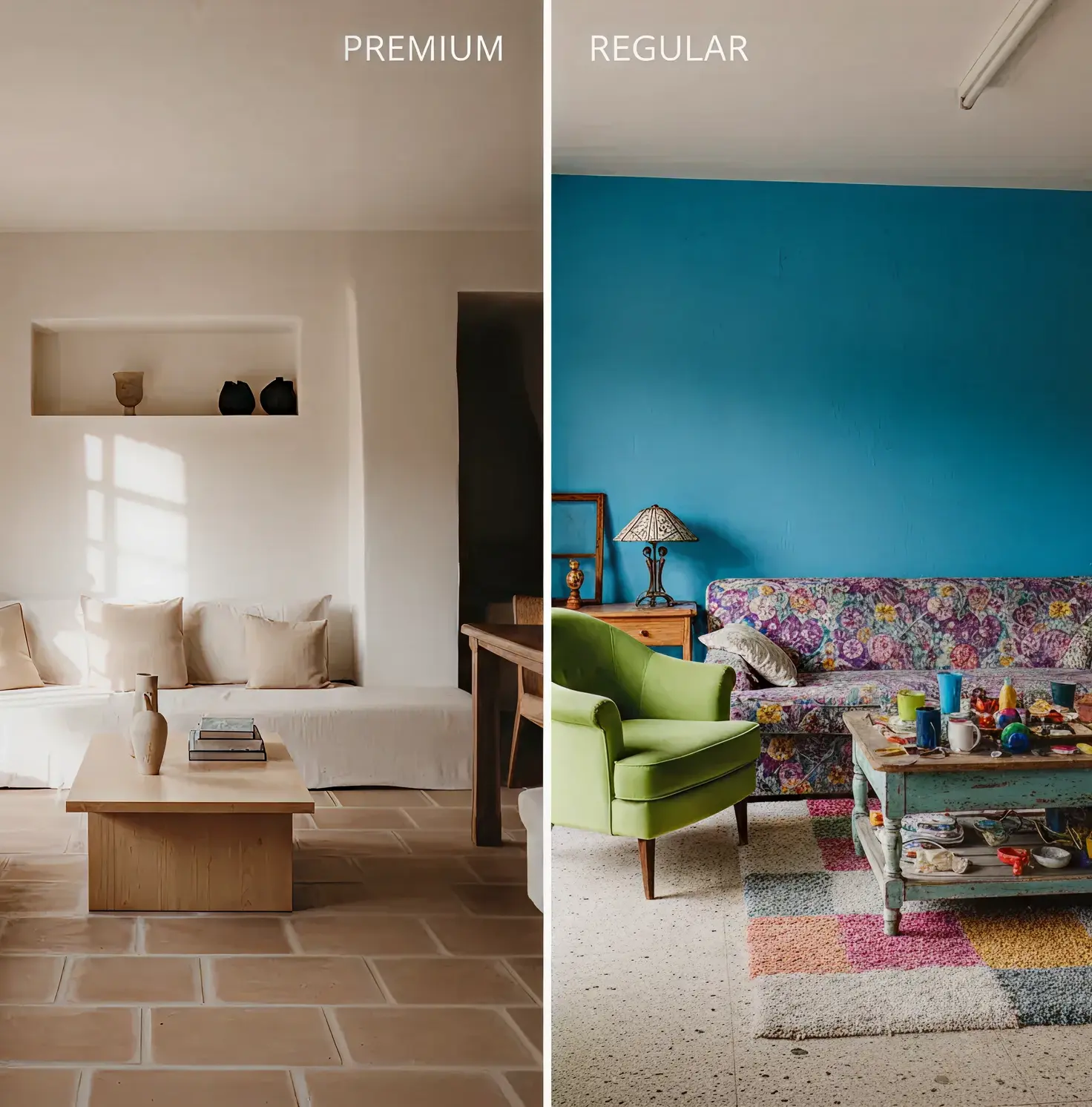
Interior design comes in many forms, but when it comes to premium living spaces, the differences extend far beyond cost. While regular design focuses on functionality and general aesthetics, premium design is a holistic process that prioritizes craftsmanship, materials, personalization, and experiential quality.


Intent Driven vs. Transactional
Regular interior design often follows aesthetic checklists — colors, furniture, and trends. Premium design begins with intent: understanding how a space should feel and function for its inhabitants. It’s strategic, not superficial.
Materials & Craftsmanship
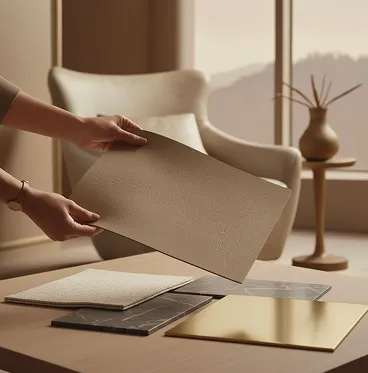
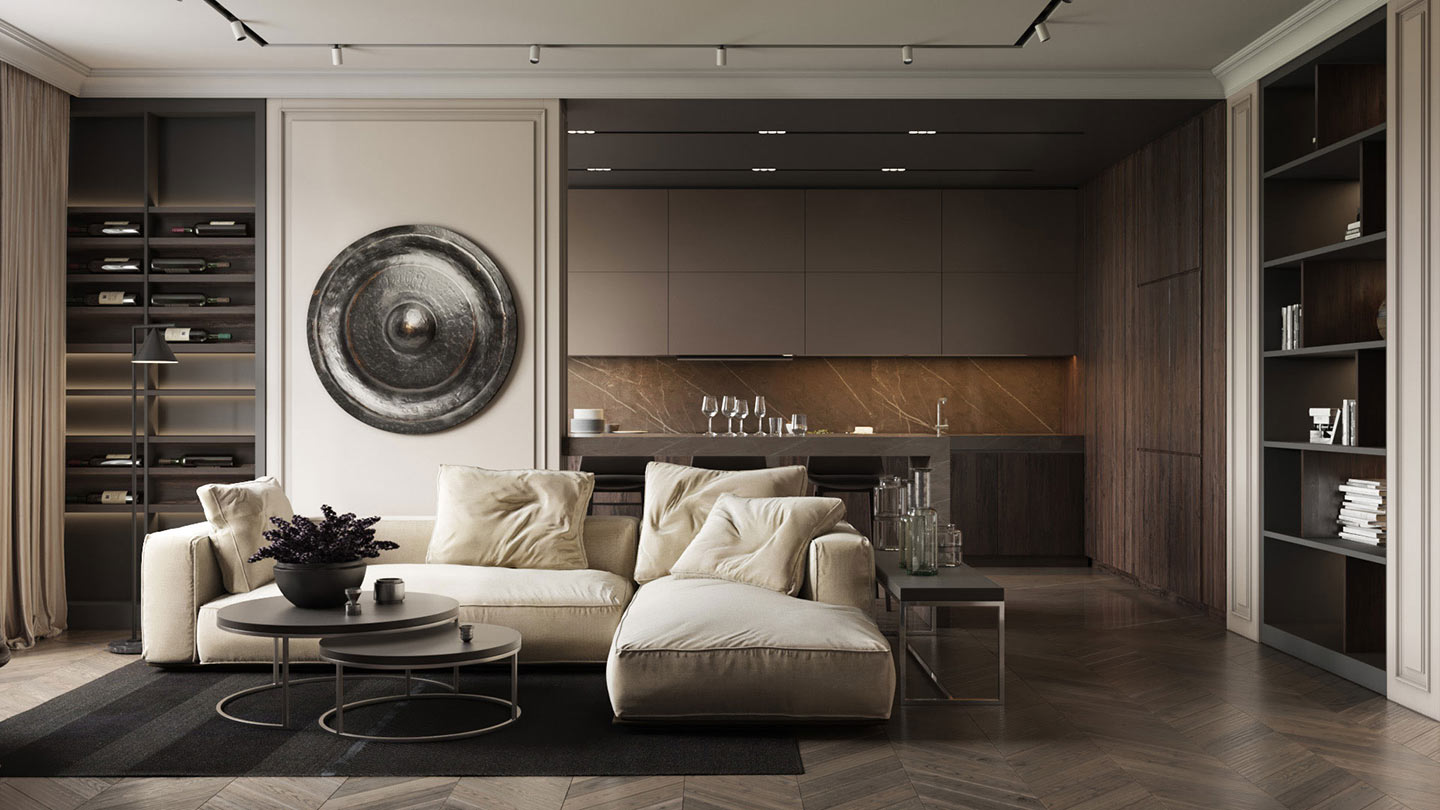
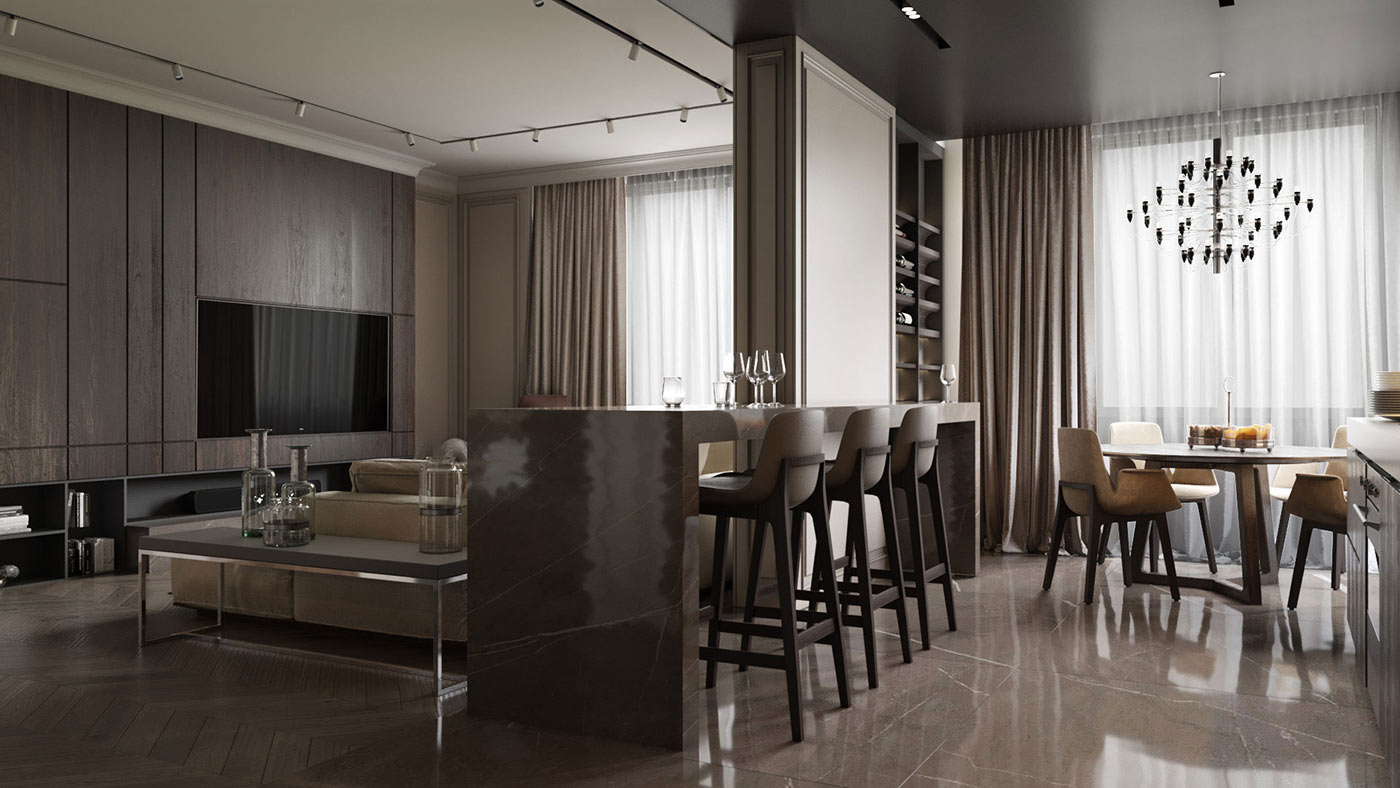
Where regular design uses standard finishes and widely available products, premium design sources high-performance materials — natural stone, custom millwork, engineered luxury fabrics, and artisanal details — all delivering unmatched durability and visual depth.
Interior Splash
Customization vs. Off-the-Shelf
Regular design often relies on ready-made furnishings. Premium design emphasizes custom pieces tailored to space, context, and lifestyle, making spaces unique rather than generic.
Experience Over Aesthetics
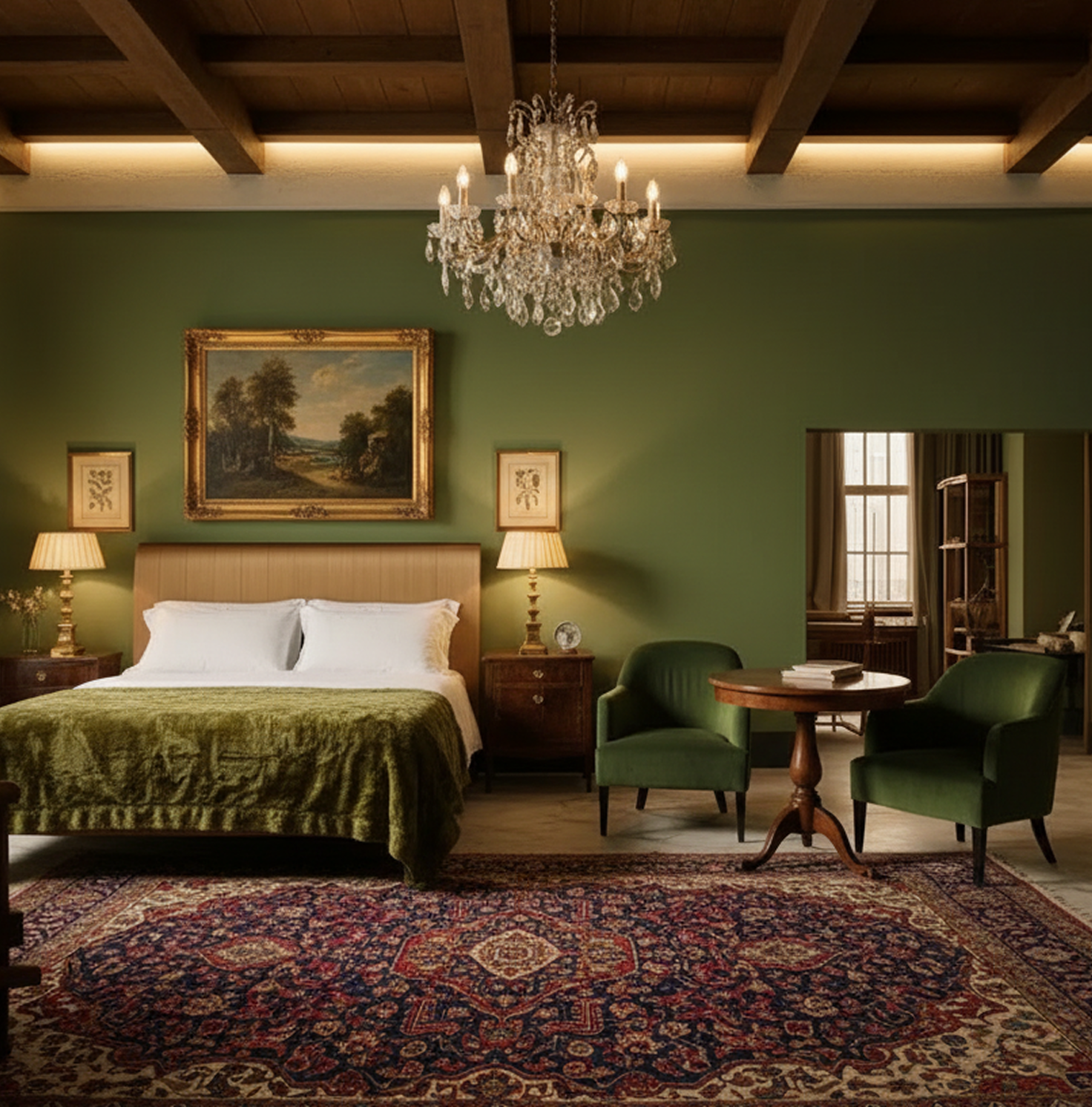
A standard interior can be pleasant; a premium interior evokes emotion. Through lighting layers, spatial sequencing, textures, and material interplay, premium spaces guide experience as much as they delight the eye.
Longevity vs. Fast Trends
Regular interior design can be trend-borne and seasonal. Premium interiors are curated for timeless relevance — designs that don’t date with passing trends, preserving value and beauty over decades.
Conclusion
The gap between premium and regular design isn’t surface-level; it’s strategic. It’s about how spaces are conceived, built, and lived in. Premium interiors are investments — in comfort, legacy, and quality of life.